
Muco nas Fezes: O Que É Normal, O Que Pode Significar e Quando Falar com o Médico
Ver muco na sanita pode deixar qualquer pessoa preocupada. Saiba o que é normal, a que está associado, que sinais pedem uma ida ao médico e como pode apoiar o intestino.

Mucus in Your Stool: What’s Normal, What It Can Mean and When to Get Checked
Noticing mucus in the toilet can be unsettling. Here is what is normal, what it is commonly associated with, which signs mean you should see your doctor, and how gut support fits in.

Fezes Gordurosas e Elastase Fecal Baixa: Pode Ser o Pâncreas?
Fezes claras e oleosas, difíceis de puxar, ou uma elastase fecal baixa num teste às fezes? Saiba o que pode significar, quem tem mais risco e onde entra a alimentação, ao lado do seu médico.

Greasy, Floating Stools and Low Faecal Elastase: Could It Be Your Pancreas?
Pale, oily stools that are hard to flush, or a low faecal elastase result on a stool test? Here is what it can mean, who is more at risk, and how nutrition fits alongside your doctor’s care.

Porque É Que o SIBO Volta? Recaídas Depois da Rifaximina e o Que Avaliar
Sentiu-se melhor com a rifaximina e o inchaço voltou umas semanas depois? Não é a única pessoa. Saiba porque o SIBO volta tantas vezes e que fatores de fundo vale a pena avaliar.
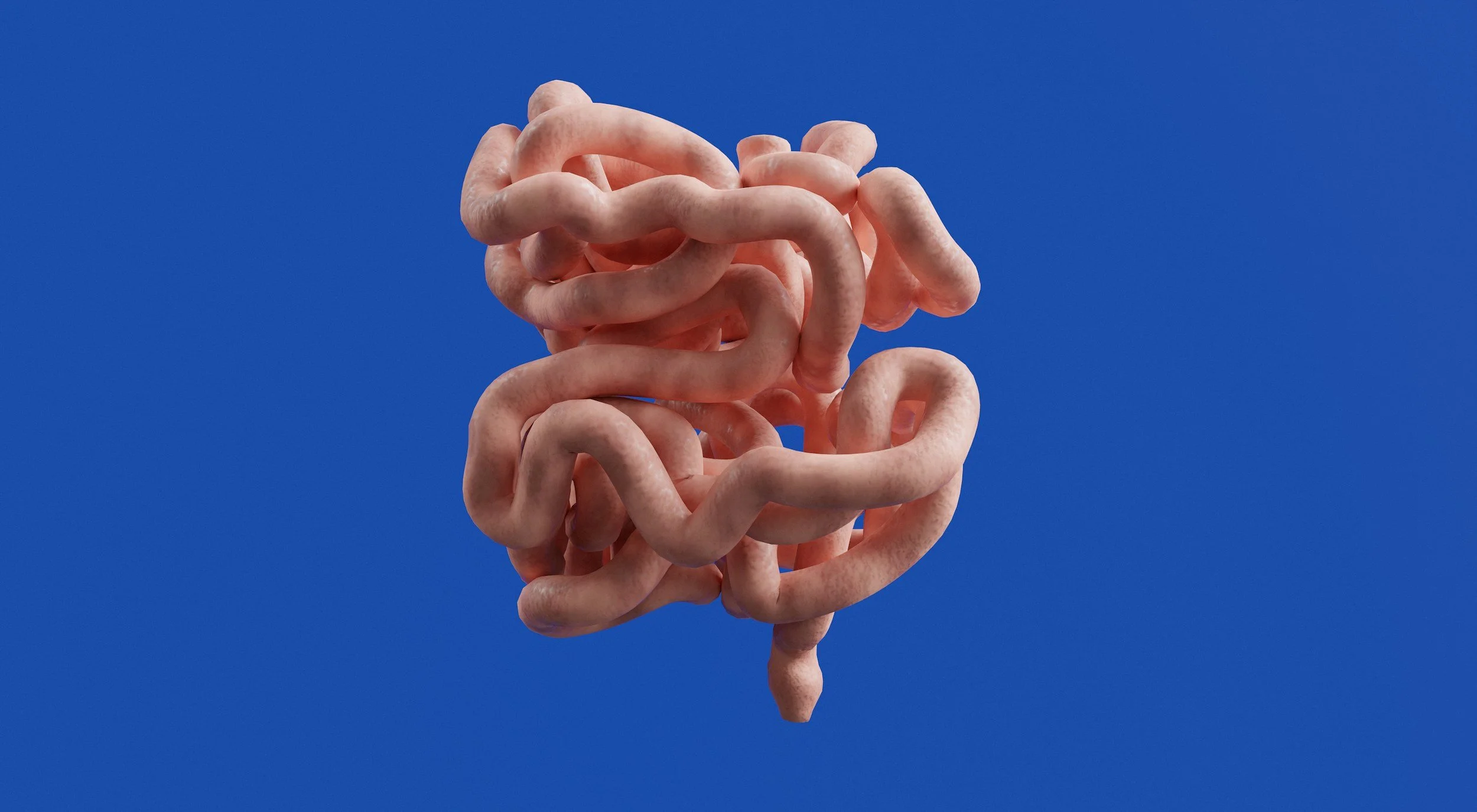
Why Does SIBO Keep Coming Back? Relapse After Rifaximin and What to Look At
Felt better on rifaximin, only for the bloating to return a few weeks later? You are not alone. Here is why SIBO relapses so often and which underlying drivers are worth looking at.

Arrotar Muito: Porque Acontece e O Que Pode Ajudar
Arrotar constantemente pode ser embaraçoso e cansativo. Saiba porque acontece, porque tem muitas vezes mais a ver com ar engolido do que com “gases a mais” e o que pode ajudar.

Burping a Lot? Why It Happens and What May Help
Burping all the time can be embarrassing and exhausting. Here is why it happens, why it is often about swallowed air rather than “too much gas”, and what may help.
Gastrite: O Que Comer, O Que Evitar e O Que Pode Ajudar o Estômago
Disseram-lhe que tem gastrite, ou vive com um estômago que arde e não acalma? Saiba o que a palavra significa, as causas mais comuns e como a alimentação pode tornar o estômago mais confortável.
Gastritis: What to Eat, What to Limit and What May Help Your Stomach
Told you have gastritis, or living with a burning, unsettled stomach? Here is what the word really means, the most common causes, and how food choices may support a more comfortable stomach.
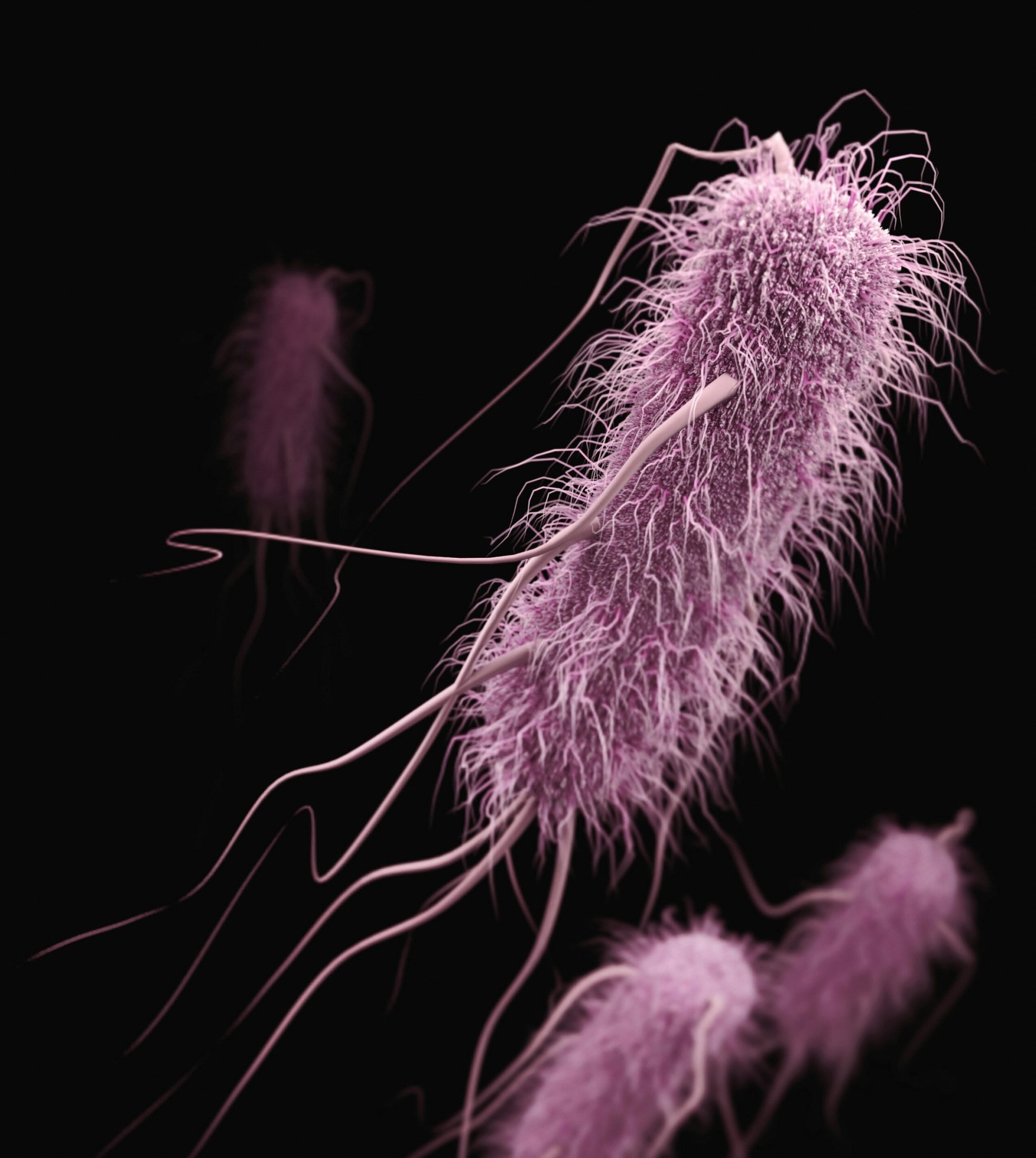
H. pylori Positive: What It Means and How to Support Your Gut
A positive H. pylori result is common – and worth acting on. Here is what it means, which test to trust, and how to look after your gut around eradication.
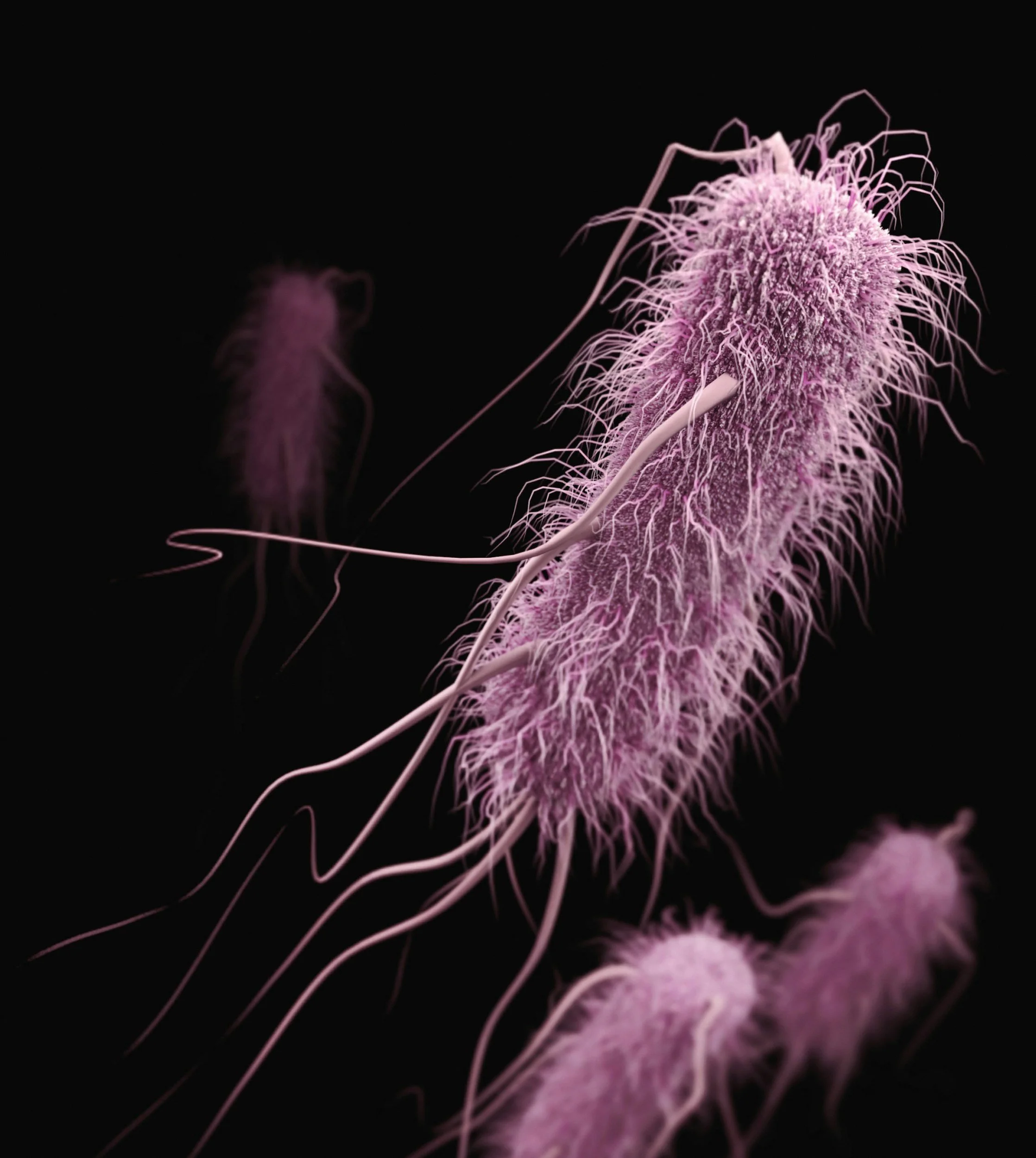
Helicobacter pylori Positivo: O Que Significa e Como Apoiar o Intestino
Um resultado positivo para H. pylori é comum e merece atenção. Veja o que significa, em que teste confiar e como cuidar do intestino durante a erradicação.

Low Ferritin That Won’t Budge: Could Your Gut Be the Reason?
If your ferritin stays low despite iron tablets, the problem may be absorption rather than intake. Here is how the gut is involved and what to ask your doctor.

Ferritina Baixa Que Não Sobe: Pode Ser o Intestino?
Se a ferritina continua baixa apesar do ferro, o problema pode ser a absorção e não a quantidade. Veja como o intestino está envolvido e o que perguntar ao médico.

Lactose Intolerance in Adults: Symptoms, Testing and How Much Dairy You Can Have
Lactose intolerance is common, but cutting out all dairy is rarely necessary. Here is how to recognise it, test for it and find your own comfortable amount.

Intolerância à Lactose em Adultos: Sintomas, Testes e Quanto Lácteo Pode Comer
A intolerância à lactose é comum, mas raramente é preciso cortar todos os lácteos. Veja como a reconhecer, testar e encontrar a sua quantidade confortável.
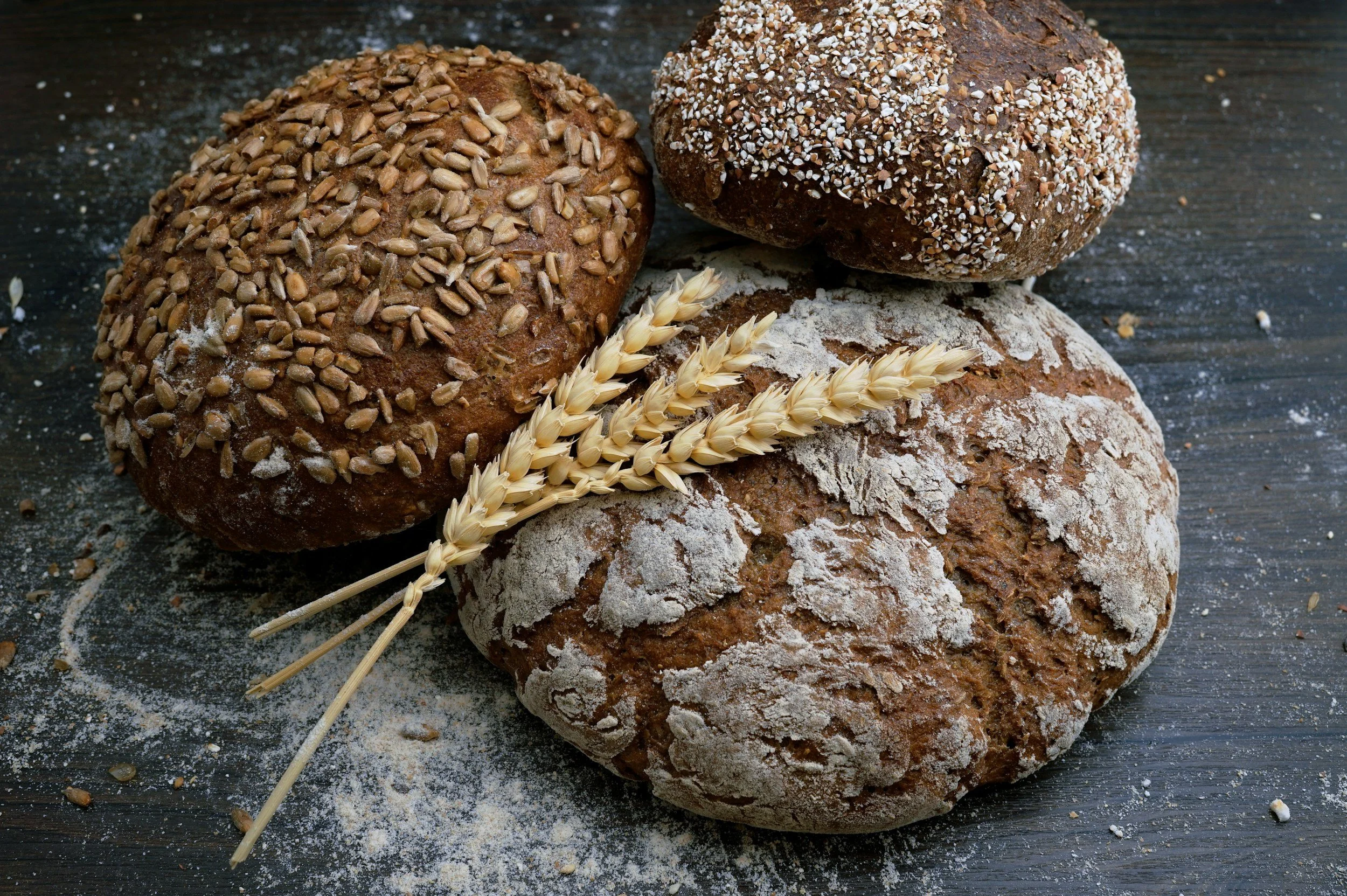
Gluten Intolerance or Coeliac Disease? How to Tell the Difference
Reacting to bread does not automatically mean coeliac disease – or gluten. Here is how coeliac disease, gluten sensitivity and wheat fructans differ, and how to test properly.
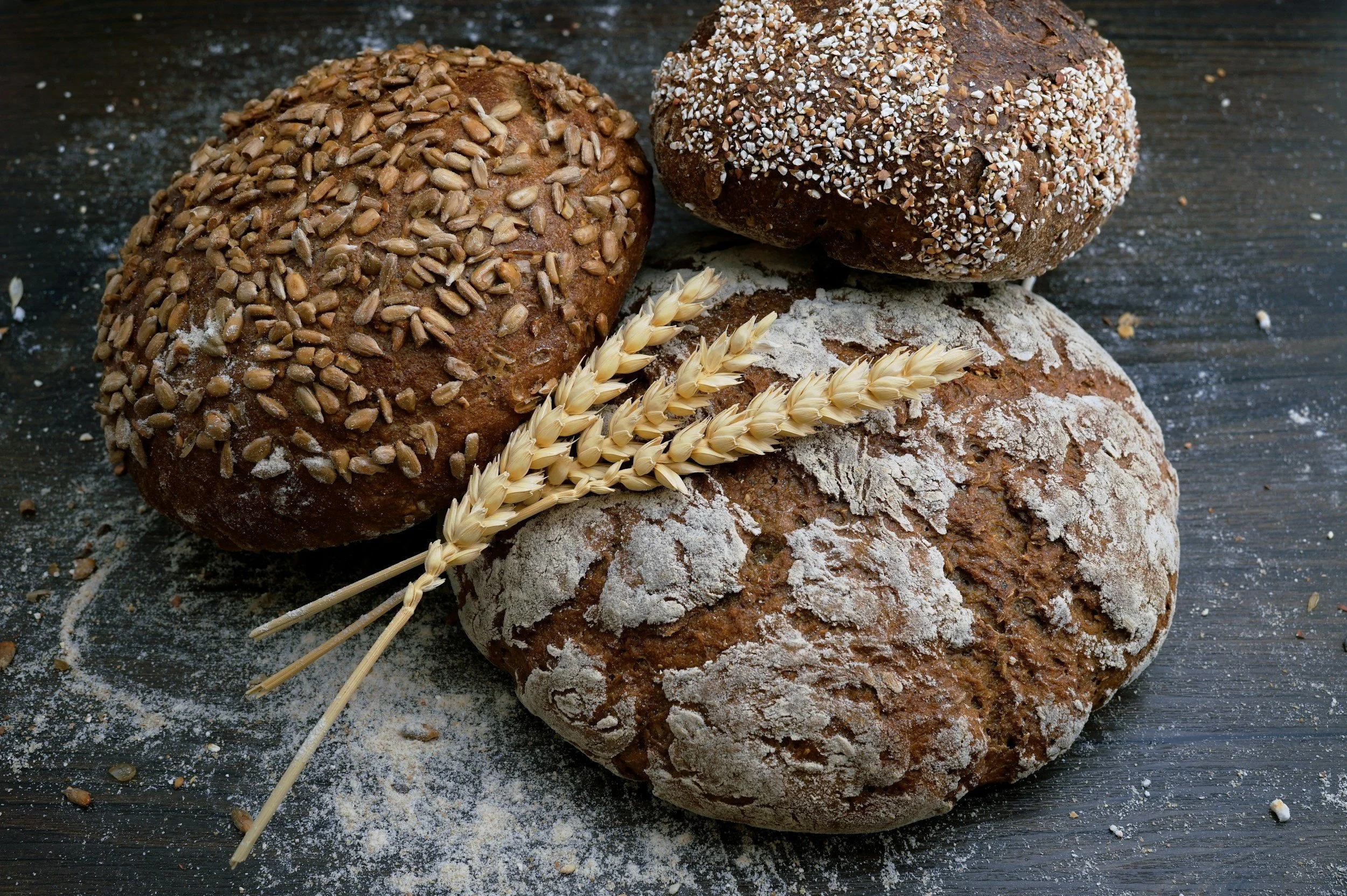
Intolerância ao Glúten ou Doença Celíaca? Como Perceber a Diferença
Reagir ao pão não significa automaticamente doença celíaca – nem glúten. Veja como diferem a doença celíaca, a sensibilidade ao glúten e os frutanos do trigo, e como testar bem.

Como Apoiar o Intestino Depois dos Antibióticos: O Que Diz a Evidência
Os antibióticos podem ser essenciais, mas abalam o microbioma. Veja quanto tempo costuma demorar a recuperação, o que diz a investigação sobre probióticos e como a alimentação ajuda.

How to Support Your Gut After Antibiotics: What the Evidence Says
Antibiotics can be essential, but they shake up the microbiome. Here is how long recovery usually takes, what the research says about probiotics, and how food may help.